
How to Buy Property in Ghana from the US: The Complete Diaspora Guide
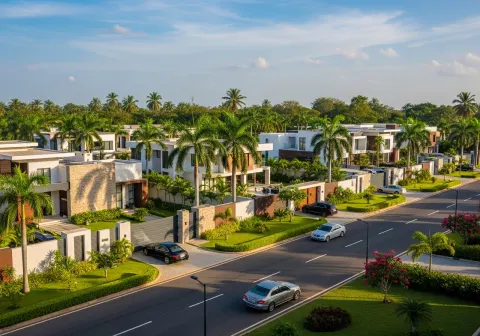
A step-by-step roadmap for US-based Ghanaians — from researching neighborhoods in Accra, verifying land titles, and sending funds safely, to closing remotely and managing your investment from abroad. Everything you need to own property in Ghana without leaving the US.
Buying property in Ghana from the United States is one of the most consequential financial decisions a diaspora household can make. Done well, it plants a stake in your homeland, generates income, and builds an asset that can anchor your family's presence in Ghana for generations. Done poorly, it can mean losing your savings to a fraudulent transaction, a disputed title, or a deal that simply never closes. This guide gives you everything you need to do it well.
Phase 1: Clarify Your Objectives Before You Search
Before you look at a single listing, be honest with yourself about what you are trying to achieve. Are you buying land to build a family home for retirement? Purchasing a rental apartment to generate income now? Acquiring a plot in an emerging area for long-term capital appreciation? Each objective points to a different type of property, in a different location, at a different price point, with a different timeline to return. Buyers who skip this step end up making emotional decisions — buying the nicest-looking property they can afford rather than the one that best serves their actual goals.
Phase 2: Research Neighborhoods with Data, Not Just Stories
The Ghana property market is rich with anecdote — the cousin who bought in East Legon and made a fortune, the friend who built in an emerging area and has been waiting years for infrastructure that never arrived. Both stories are true, and neither is a substitute for current market data. When evaluating a neighborhood, understand: current price per square meter, rental yield achievable in that area, infrastructure trajectory, planning status of surrounding land, and the quality of the title environment.
Phase 3: Assemble Your Professional Team in Ghana
- Licensed estate agent: your on-the-ground representative who sources properties, conducts physical inspections, and negotiates on your behalf. Verify their membership with the Ghana Association of Real Estate Professionals (GREDA).
- Real estate solicitor: a licensed Ghanaian attorney who conducts legal due diligence, drafts and reviews the indenture, oversees the stamping process, and lodges the transaction for registration. This is not optional.
- Licensed land surveyor: commissions the site plan that defines exactly what you are purchasing. Without a current survey, you do not know what you are buying.
- Your US broker: the coordinator who connects you with vetted professionals in Ghana, helps you structure the transaction, and serves as your advocate throughout the process.
Phase 4: Due Diligence — The Non-Negotiable Steps
Due diligence in Ghana property has a specific legal meaning. It includes: a formal search at the Lands Commission to confirm registration status; verification of the seller's identity and customary authority to sell; a physical inspection confirming boundaries match the site plan; confirmation that there are no government acquisition notices affecting the parcel; and for developed property, a check of building permits and compliance. Each of these steps has a paper trail. If anyone tells you that any of them is unnecessary, walk away.
Phase 5: Structuring Payment Safely from the US
Payment for a Ghana property purchased from the US should never go directly to a seller's personal account in one lump sum before documents are executed. Structure your payments in stages tied to documented milestones — a small deposit after identity verification and site plan receipt, a larger payment after a clean Lands Commission search and execution of the indenture, and the balance only after registration is lodged or completed. Use your solicitor's client account for all pre-registration payments.
Every legitimate party in a Ghana property transaction benefits from a clean, documented process. The only people who object to documentation are the ones whose interests diverge from yours.
Phase 6: The Power of Attorney
Unless you plan to travel to Ghana to sign documents in person, you will need a Power of Attorney authorizing someone in Ghana to act on your behalf. This document should be drafted by your Ghana solicitor, executed by you in the presence of a notary public in your US state, and then authenticated through apostille or by the Ghanaian consulate nearest you. The POA should clearly specify the scope of authority — typically limited to the specific transaction — and have a defined expiry date.
Phase 7: Closing and Registration
Closing in Ghana is not a single-day event like a US real estate closing. It is a process that unfolds over several weeks as documents are stamped, fees are paid, and the registration file moves through the Lands Commission. Your solicitor will manage this process and should provide you with regular status updates. Do not consider the transaction closed until your solicitor confirms registration is complete and you have received your title documentation.
Phase 8: Managing Your Property from Abroad
- Property management: engage a licensed property management company in Ghana to handle tenant sourcing, rent collection, and maintenance coordination. Expect to pay 8 to 12 percent of gross rental income for this service.
- Rental agreements: have your solicitor draft a proper tenancy agreement. Verbal arrangements create serious problems when tenants default or refuse to vacate.
- Income repatriation: rental income can be repatriated from Ghana to the US through the banking system. Document your rental income for US tax purposes — it is taxable income regardless of where it is earned.
- Insurance: insure your Ghana property through a licensed Ghanaian insurer covering fire, flood, and building damage.
- Periodic visits: if at all possible, visit your Ghana property at least once every two to three years. Physical oversight matters.
The diaspora has built Ghana in ways that government statistics cannot fully capture — through remittances, through investments, through the homes that stand as evidence of what is possible when sacrifice meets opportunity. Buying property in Ghana from the US is the next chapter of that story. With the right team, the right process, and the right patience, it is one of the most rewarding things you can do with the financial foundation you have built in this country.

Written by
Irene Owoo
Licensed realtor bridging Atlanta and Accra. Irene specializes in helping members of the African diaspora invest in real estate on both sides of the Atlantic.
About Irene